
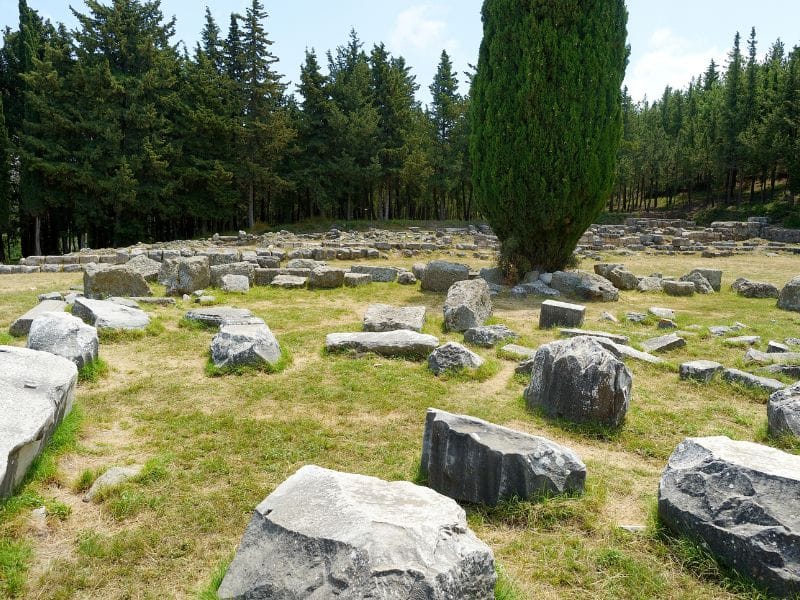
High above the blue waters of the Aegean lies the Asclepieion of Kos, a sanctuary that carries the memory of healing, worship, and beauty. It isn’t just a ruin of marble steps and broken columns. It is a place where pilgrims once arrived seeking more than cures for their bodies — they came for peace of mind, for hope, for a touch of the divine.
In the shade of cypress trees, voices once rose in prayer, while healers guided the sick through rituals and remedies. This was also the ground where Hippocrates began to shape ideas that still influence medicine. His belief in careful observation and compassion made the Asclepieion of Kos not only a shrine but a school of healing.
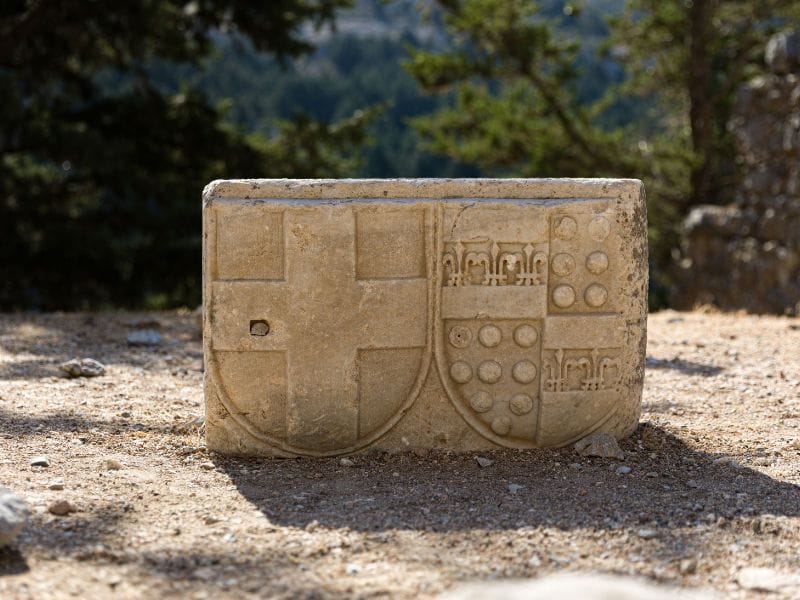
The roots of the sanctuary stretch deep into myth. Asclepius, the god of medicine, was believed to walk here. His staff, coiled with a serpent, became the timeless symbol of healing. The site was also tied to Apollo Kyparissios, god of light and father of Asclepius. The cypress groves surrounding the terraces were said to belong to him, guarding the place and giving it a calm thought essential for recovery.
No single figure is more connected to this sanctuary than Hippocrates. With the Asclepiads — priest-physicians who blended ritual with remedies — he helped move Greek medicine away from superstition. At the Asclepieion of Kos, they recorded symptoms, studied patients, and used herbs and diets in treatments. These methods laid the first stones of clinical practice.
What made the sanctuary unique was this balance: ritual dreams in the Abaton on one hand, and practical cures on the other. Faith and reason coexisted.
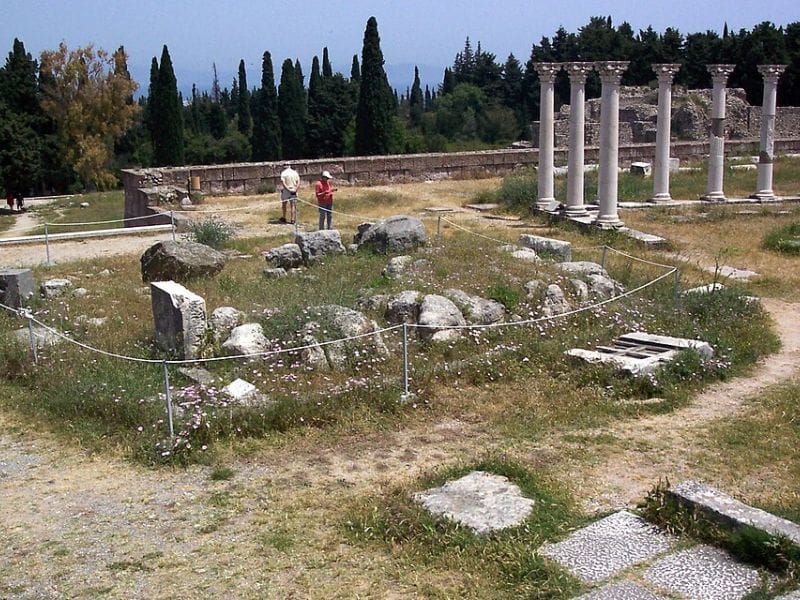
The design itself was part of the healing journey. The sanctuary rose in three terraces cut into the hillside. The lower level welcomed pilgrims with baths and meeting rooms. The middle level carried temples, altars, and the sacred Abaton. At the very top stood the Doric Temple of Asclepius, overlooking the Aegean and the distant coast of Asia Minor.
The climb through these levels was both physical and spiritual — every step upward brought visitors closer to the divine.
Those who came here did not simply receive medicine. They bathed, exercised, ate carefully chosen foods, and took part in ceremonies. Many slept in the Abaton, waiting for dreams that would reveal the cure. Priests recorded cases on stone tablets, creating some of the earliest medical notes in history. These tablets, with their simple accounts of pain and healing, still speak across the centuries.
Every four years, the Great Asclepieia festivals turned the sanctuary into a lively stage. Music, athletic contests, and drama attracted people from across Greece. For Kos, these celebrations were more than entertainment — they raised the island’s prestige and secured privileges that gave the city special standing in the ancient world.
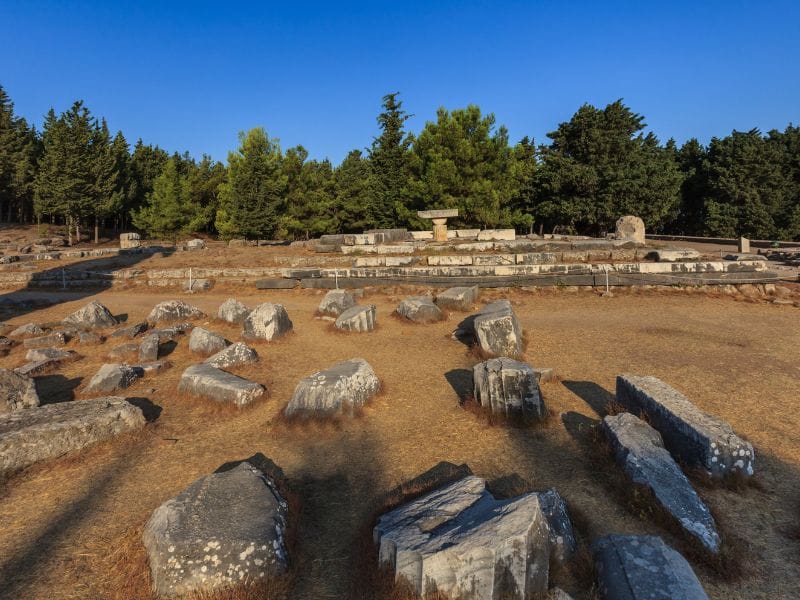
The Asclepieion of Kos lay hidden for centuries until archaeologist Rudolf Herzog and local historian Iakovos Zarraftis uncovered it in 1902. Italian teams later restored staircases and temples during the 1930s, giving the sanctuary much of the form seen today. While statues and artifacts were carried off to museums in Rome and Istanbul, the site itself, with its terraces and marble paths, remains an open book for those willing to read it.
The Asclepieion of Kos is just a short trip from Kos town. Travelers should allow a couple of hours to explore, ideally in the soft light of early morning or late afternoon when the stones glow gold. The climb can be demanding, especially on the grand staircases, but the reward is a view that sweeps from the Aegean to the Turkish coast.
Audio guides and tours bring the ruins to life, linking the terraces to stories of gods, healers, and Hippocrates himself. Good shoes are a must — the old marble is beautiful but uneven underfoot.
The Asclepieion of Kos is not only an ancient ruin. It is a reminder of humanity’s search for healing in every sense — body, mind, and spirit. To walk among its terraces is to step into the origins of medicine and to feel the blend of science and faith that shaped generations.
We use cookies to improve your experience on our site. By using our site, you consent to cookies.
Manage your cookie preferences below:
Essential cookies enable basic functions and are necessary for the proper function of the website.
Stripe is a payment processing platform that enables businesses to accept online payments securely and efficiently.
Service URL: stripe.com (opens in a new window)
WooCommerce is a customizable eCommerce platform for building online stores using WordPress.
Statistics cookies collect information anonymously. This information helps us understand how visitors use our website.
Google Analytics is a powerful tool that tracks and analyzes website traffic for informed marketing decisions.
Service URL: policies.google.com (opens in a new window)
SourceBuster is used by WooCommerce for order attribution based on user source.
You can find more information in our Privacy Policy and Privacy Policy.